Peugeot · EU monitoring data
Peugeot Partner Premium Standard 600kg Bluehdi 100 S&S 6 V (van): CO2 & EU registrations
369 new registrations on record, fleet-average CO2 from 139.9 g/km (WLTP, 2022). Official data reported by EU member states.
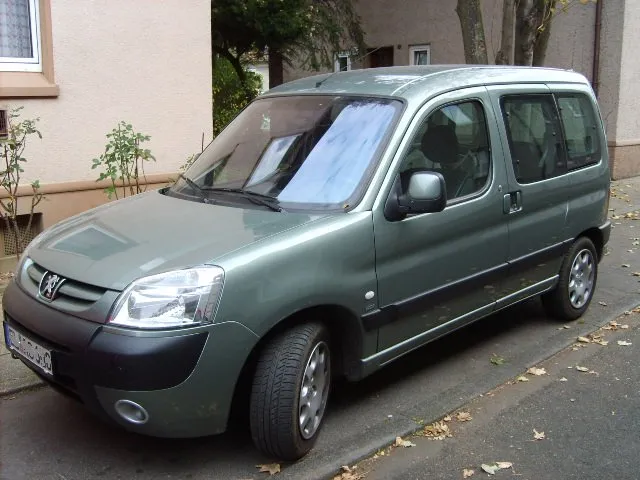
The Citroën Berlingo and Peugeot Partner are a range of minivans produced since 1996 and marketed under the Citroën and Peugeot marque. They are sold as light commercial vehicles or as a passenger multi-purpose-vehicle variant with rear seats and windows. They were a product of the French PSA Group before it became part of Stellantis in 2021.
By year and fuel type
Fleet averages across all Peugeot Partner Premium Standard 600kg Bluehdi 100 S&S 6 V (van) registrations of that year and fuel. CO2 is WLTP where available (NEDC shown for older years). Consumption is l/100km for combustion, Wh/km for electric.
| Year | Fuel | Registrations | CO2 WLTP | CO2 NEDC | Consumption | Mass kg | Power kW |
|---|---|---|---|---|---|---|---|
| 2022 | Diesel | 369 | 139.9 g/km | - | - | 1,444 | 75 |
Frequently Asked Questions
What are the CO2 emissions of a Peugeot Partner Premium Standard 600kg Bluehdi 100 S&S 6 V (van)?
Official EU monitoring data for 2022 registrations shows fleet-average CO2 from 139.9 g/km (WLTP) for the Peugeot Partner Premium Standard 600kg Bluehdi 100 S&S 6 V (van), varying by fuel type and configuration; the table on this page lists every year and fuel type.
How many Peugeot Partner Premium Standard 600kg Bluehdi 100 S&S 6 V (van) are registered in the EU?
The EEA monitoring database records 369 new Peugeot Partner Premium Standard 600kg Bluehdi 100 S&S 6 V (van) registrations in Europe between 2010 and 2025. These are new-car registrations reported by member states, not the number currently on the road.
Source: European Environment Agency, CO2 emissions from new passenger cars (Regulation (EU) 2019/631 monitoring), CC-BY 4.0, attribution EEA / DG CLIMA. Figures are fleet averages of new registrations, not per-vehicle values. Details on About & Data Sources.